After the fact (of getting married, buying a house, having children, or any other “stepping stone” on the path to “Adulthood”), people tend to say things like “I wish someone had told me (how stressful wedding planning is) (how expensive home ownership really is) (how hard it is to birth a baby) (how difficult breastfeeding could be) (how frustrating parenting can be) (how hard marriage really is) (how financially prohibitive divorce is).”
But the truth is, people do say things like that. I’m sure I read plenty about how difficult childbirth could be (it wasn’t, not for me), how “unnatural” breastfeeding can be (in fact, so uncomfortably natural), how expensive it is to upkeep a house (really, really expensive), how challenging it is to parent children (from the toddler years until forever), how difficult it is to choose to stay married (impossible, really, sometimes), and how equally impossible (but sometimes necessary) divorce is. The problem with humans is that we never believe anyone else’s experience will be our experience. We think things will be different for us; we see what others do and vow to do things differently, so that when we do them they will be better, more successful, less taxing. We don’t like to be told “no.” We want to do things for ourselves, learn from our own mistakes.
We want to believe we are invincible.
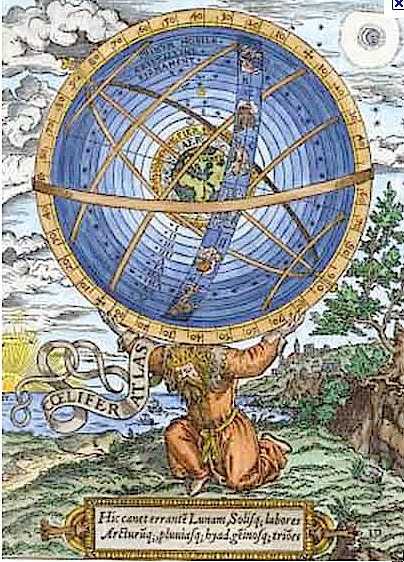
The truth is, carrying the weight of our own choices, mistakes, even successes is exhausting. And even when we discover that we can do it on our own, carry the weight of the world on our shoulders, stooped under its weight, perhaps the more important discovery is that it’s lonely under there by ourselves. That’s why we depend on our parents far longer than we should; we look for partners who can help carry the load; we lean on friends who can offer support. We can do it on our own, but we don’t have to.
The problem is, there is a delicate balance between sharing the load with someone and either dumping that load onto someone else or having someone take the entire load off your back: only the former allows for both people to own their choices, mistakes, and successes. The latter leaves one feeling useless and the other “enduring Atlas,” cursed for eternity to hold up the heavens. The reality of this mythological punishment was, Atlas’s job was not to carry the weight of the world on his shoulders, it was to keep the heavens from embracing the earth. And when heaven on earth is no longer a possibility, remote as it might be, neither is love. And the reality of carrying the load for someone else is, it doesn’t leave any arms free to embrace the person whose load is being carried. At least, not without dropping the lot of it, which might (probably) lead to a whole lot of resentment on the part of the person whose lot was dropped, making that embrace a moot point anyway.
The bottom line is, a relationship doesn’t work unless both partners carry their own weight. That doesn’t mean things are split equally between them all of the time, or even that there is an equal split any of the time. But it does mean that when one partner falters, the other is there to lend a hand–one hand to help, and the other to hold. What leaves room for love is the reciprocity of emotional and physical support, so that heaven is not only embracing the earth, but the earth is reaching up to the heavens as well.
 (mostly) full disclosure